


KEEPING YOUR SCALP HEALTHY: THE BENEFITS
- Gege
- Aug 13, 2021
- 4 min read
Updated: Oct 21, 2021
We all love a full head of healthy hair and do all we can to get there. Unfortunately, most of us don’t consider scalp health when considering hair health, not recognising that the health of our scalp has a huge impact on our hair.

In fact, so many of us take our scalp health for granted, not giving it much consideration when we shop for conditioners, shampoos, and other hair products, and focusing instead on how these products benefit our hair strands.
It’s only those who have issues with their scalp i.e. dandruff, bumps, itchiness, who tend to be particular about what effect hair products have on their scalp.
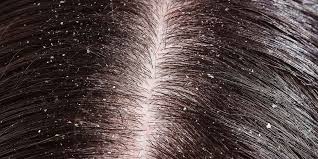
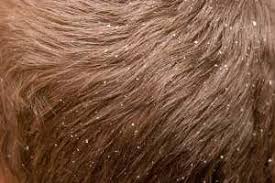
I don’t want you to wait until you have problems with your scalp before you begin to pay close attention to it. It is better to begin now. Learning to take care of your scalp and following through with the care will improve your scalp health, and boost your hair growth.
First, what is a healthy scalp?
Dermatologists define healthy scalp as one that is free of irritation, acne, pain, itchiness, sun damage, redness, cysts, flakiness, and excessive hair loss.
Scalp riddled with scabs, bumps and redness signals inflammation and if left untreated, can lead to permanent hair loss.
Benefits of a healthy scalp
Ultimately, your scalp health determines your hair health.
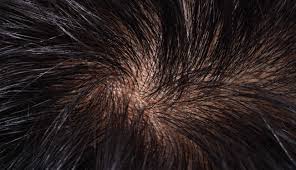


One dermatologist likens the scalp on the human head to the soil on a farmland. The healthier the soil, the better the wellbeing of the growing plants; and the poorer the health of the soil, the poorer the quality of the crops harvested.
In a similar way, the poorer the health of the scalp, the poorer the quality of the growing hair.
So what are the benefits of a healthy scalp?

Better hair growth: A healthy scalp is at the top of the list if you are looking to grow your hair. Your scalp is where your hair follicles exist, and a healthy scalp means stronger hair follicles, and stronger hair follicles mean better hair growth. Weakened hair follicles cause hair to fall out easily. Sometimes, even the simple act of running hands through your hair can cause some hair strands to fall off. A healthy scalp will keep your follicles strong and ultimately prevent hair loss.

A head of healthier hair: A healthy scalp not only helps to prevent hair loss, but also keeps your hair healthier so that it looks and feels better. A healthy scalp restores any lost shine and lustre to hair, keeping it looking its best.

No more dandruff, no more itch: Our hair follicles naturally produce sebum. If your scalp is unhealthy, you will experience an over excretion of sebum, leading to an oily scalp that easily attracts dirt. When not taken care of, this process can lead to dry, flaky scalp and even dandruff. Yes, dandruff or a dry and flaky scalp won’t lead to other health problems and isn’t contagious. It can however be super uncomfortable, and the more the itch, the higher the probability of hair loss.

No more irritation and bumps: An unhealthy scalp attracts dirt and excess oil, and simply shampooing does not get rid of such dirt. The end result of this is product build-up. Build-ups lead to uncomfortable bumps and irritation. When you take care of your scalp and it is healthy, you will not suffer these irritations and bumps.
How to get a healthy scalp
Simple changes to your hair care routine make a big difference for scalp health. Here are some of the ways to get a healthy/healthier scalp:
Be particular about the hair care products you use: It is important that you avoid products that contain fragrances, alcohols, or sulfates. Doing this helps to improve scalp health. For example, sulfates strip your hair of natural oils, making the scalp dry and prone to irritation. Products containing fragrances and alcohol also strip the hair of moisture, leaving the hair feeling frizzy, damaged, and dry, resulting in inflammation and leaving you with dry, itchy, irritated scalp.

Also, avoid hair care products containing hair treatments such as dye and bleach and harsh chemicals.
Shampoo gently: Don’t scrub you hair when shampooing. Rather, massage your head gently as this increases circulation and causes less abrasions on the scalp.
Don’t wash your hair too often: The mistake that people often make is to wash oily hair one time too many. This often backfires, as shampooing hair too frequently strips it of natural oils. If you struggle with itchy or a dry scalp, I suggest that you increase the time between washes to balance out oil production. This means washing just about once a week.

Eat more antioxidants: Research has shown that oxidative stress affects scalp health in addition to leading to health conditions such as cancer, heart disease, and diabetes. It is important that you eat lots of vegetable and fruits, as these are the best sources of antioxidants. Aim to eat a variety of produce so that you can get the wide variety of antioxidants found in nature.

Use a scalp scrub: A scalp scrub is a way to exfoliate the skin on your head, just like a scrub you’d use on your face. These scrubs contain chemical or physical exfoliants that help to remove excess skin cells, dandruff, and oil, and have a way of dilating the blood vessels under your skin. This has the potential to boost hair growth. The great thing is that you can create your own DIY scalp scrub.
In conclusion
At the end of the day, a healthy scalp is foundational for healthy hair. It is therefore crucial that you pay attention to your scalp. If at any time you notice any pain, flakiness, irritation, redness, or itching, it is important to see a hair care specialist or dermatologist. The first can help you determine if you should change your hair care routine and the latter can help determine if there is an underlying health problem and what next steps to take.
Also, never forget to support a healthy scalp through your everyday habits. Make sure that your diet is rich in vegetables and fruit; don’t wash your hair to vigorously ; gently massage your scalp rather than washing it vigorously; and use gentle hair care products that are kind to your hair.


Comments